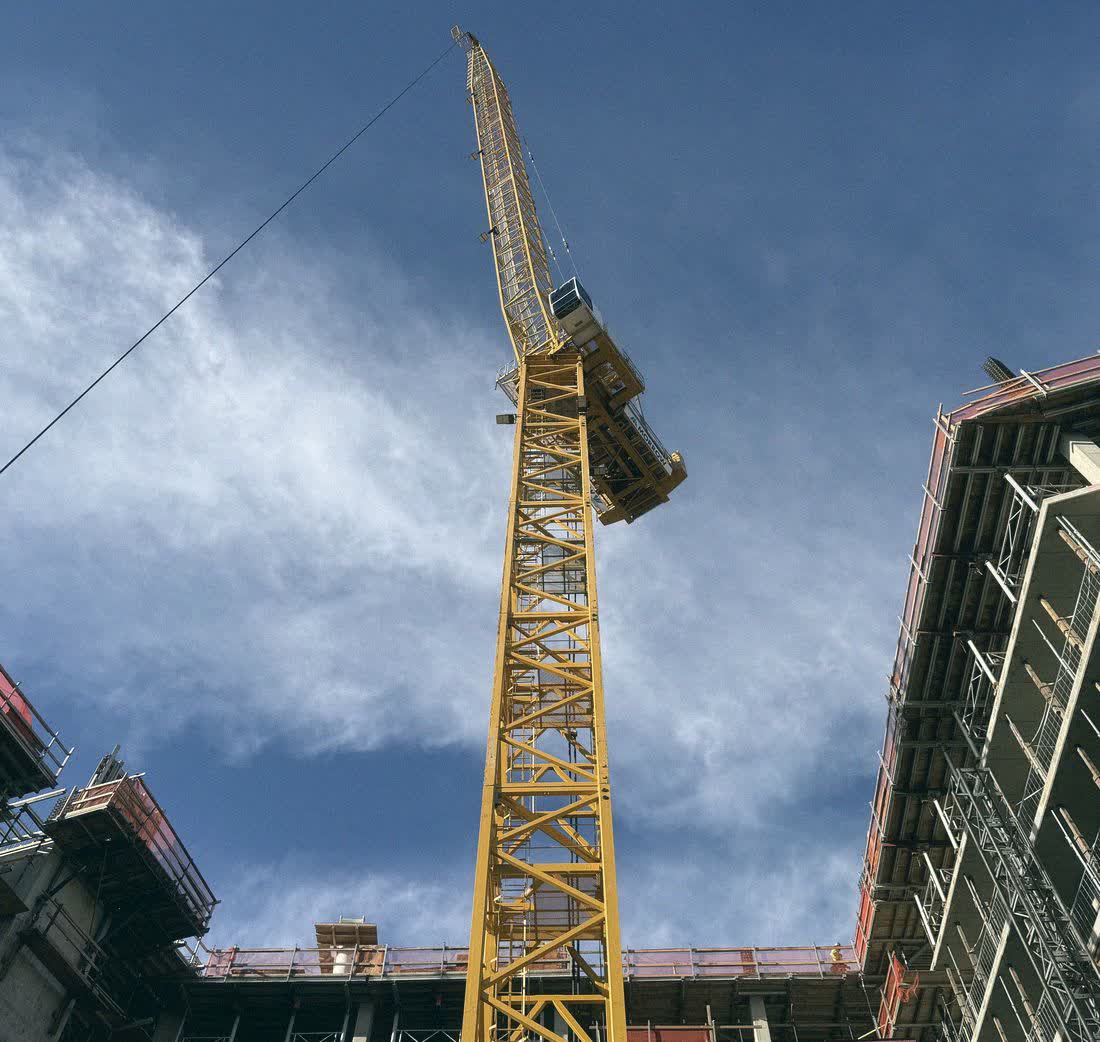
Repositioning is the supreme discipline of this cycle: it demands capital, patience and a precise understanding of what a place can become — not just what it is today.
The starting point: structural demand shifts
Where office demand falls permanently, the result is not a vacancy problem but a question of use. Housing, healthcare, education, urban production, hospitality: the demand is there — it just no longer fits the building’s layout. Repositioning therefore begins not with the facade but with a sober analysis of demand in the surrounding area.
The economics of transformation
Between purchase price, construction costs and achievable rent lies a narrow corridor that decides success. Hitting it requires robust assumptions on permitting timelines, technical substance and leasing velocity — and a plan B for each of those assumptions. Experience shows: the best projects are won before acquisition, in the quality of due diligence.
The role of the network
Repositioning is a team sport. Architects, permitting authorities, anchor tenants, lenders — each of these relationships can accelerate or block a project. Access to the right partners is therefore not a soft factor but a hard component of return.
The essentials
- Use before building: demand in the surroundings defines the target picture.
- Returns are decided in pre-acquisition scrutiny.
- Partner access is a return factor, not a side note.
This article is part of KI Forum’s independent research program. It reflects general market observations and does not constitute investment, legal or tax advice.