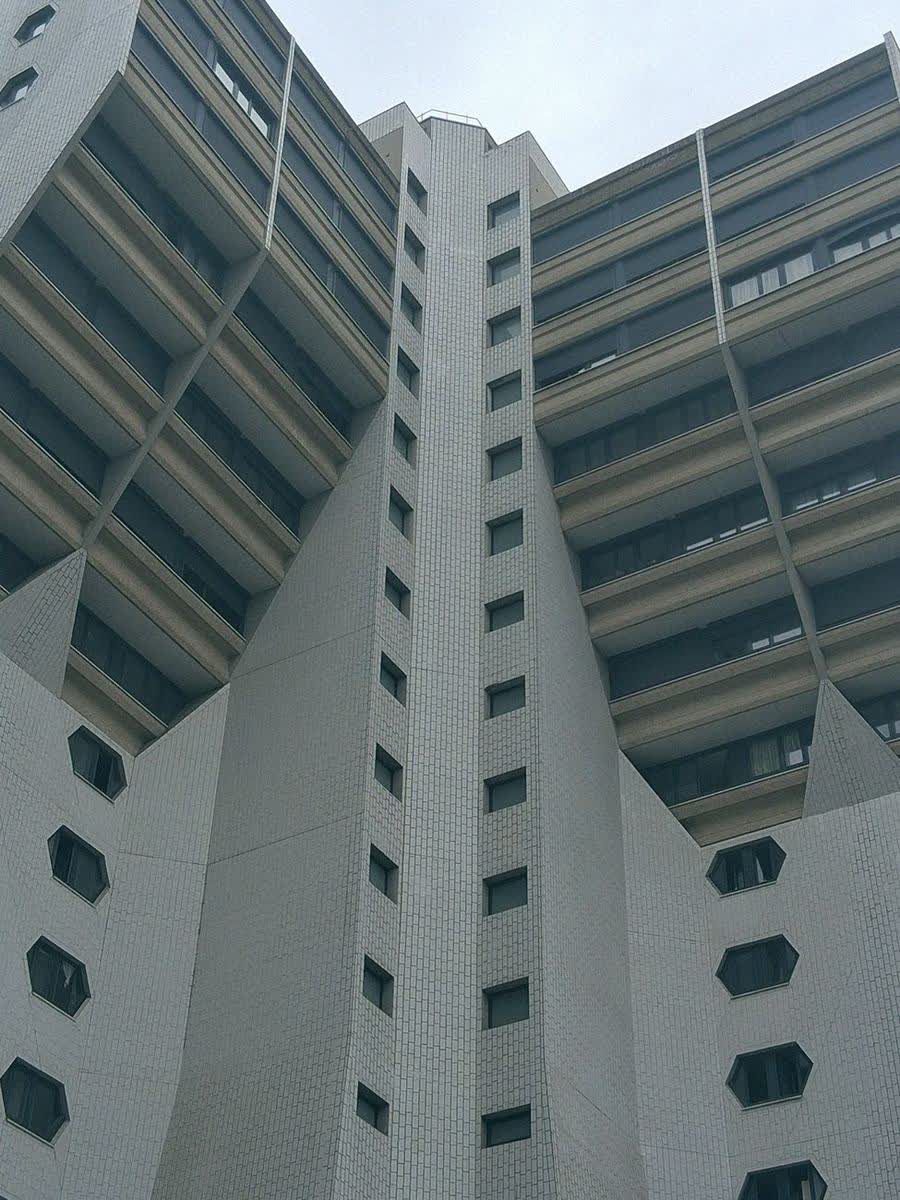
Sought-after residential locations follow their own logic: their supply can barely grow, their demand is structural. That makes them resilient — and their price signals particularly worth reading.
Supply scarcity as a structural feature
In established locations, hardly any new supply emerges: plots are taken, density is maxed out, procedures are long. Price movements therefore arise almost exclusively on the demand side — through incomes, interest rates and preferences. That explains why these locations lose less in downturns and turn earlier in recoveries.
What asking prices conceal
Listing data tells half the story. More revealing are time-on-market, the discount between asking and closing, and the structure of the buyer pool. Where these metrics stabilise, the market is turning — often months before average prices show it.
Consequences for investors
Whoever buys in scarce locations buys a position more than a moment. What matters is the ability to distinguish quality within the location: condition, layout, outdoor space, noise. These differences determine how scarcity translates into individual value growth.
The essentials
- Scarce locations react through demand — and turn earlier.
- Read closing data, not asking data: time-on-market and discounts lead.
- Within a location, asset quality decides value development.
This article is part of KI Forum’s independent research program. It reflects general market observations and does not constitute investment, legal or tax advice.